DHT and Hair Loss —
What It Is & How to Block It Naturally
If you’re losing hair, DHT is almost certainly involved. Dihydrotestosterone is the primary hormonal driver of androgenetic alopecia — the most common form of hair loss in both men and women worldwide. But what exactly is DHT, how does it destroy hair follicles, and can you block it without resorting to prescription drugs? This guide breaks down the science and gives you practical, proven strategies for naturally reducing DHT’s impact on your scalp — starting today.
What Is DHT — and Why Does It Attack Your Hair?
DHT stands for dihydrotestosterone, a potent androgenic hormone produced naturally in the body. It is made when the enzyme 5-alpha reductase (5-AR) converts testosterone into DHT — primarily in the scalp, prostate, liver, and skin. DHT plays a role in male puberty and body hair, but when it comes to the scalp, it is overwhelmingly destructive in people who carry a genetic sensitivity.
Hair follicles that are sensitive to DHT have an abundance of androgen receptors. When DHT binds to these receptors, it triggers a cascade of biological events that progressively shrinks — or miniaturises — the follicle. Each new hair grows thinner, shorter, and weaker than the last, until the follicle eventually stops producing visible hair altogether.
DHT Hair Loss vs Other Types of Hair Loss
Not all hair loss is caused by DHT. Correctly identifying your type is critical before choosing a treatment — what works for androgenetic alopecia will not necessarily help with alopecia areata or telogen effluvium.
| Hair Loss Type | Primary Cause | Pattern | DHT Involved? |
|---|---|---|---|
| Androgenetic Alopecia | DHT + genetic sensitivity | Temples & crown (men); diffuse crown (women) | ✓ Yes — primary driver |
| Telogen Effluvium | Stress, illness, nutrition deficiency | Diffuse all-over shedding | ✗ No |
| Alopecia Areata | Autoimmune attack on follicles | Patchy, circular bald spots | ✗ No |
| Traction Alopecia | Mechanical damage (tight styles) | Hairline recession at tension points | ✗ No |
| Postpartum Shedding | Post-pregnancy hormone shift | Diffuse shedding, typically temporary | Partial — oestrogen drop unmasks DHT |
The 5-Stage Progression of DHT Hair Loss
Understanding where you are in the progression of androgenetic alopecia helps you set realistic expectations and choose the right treatment intensity. The earlier you intervene, the better the outcome.
Minimal Recession — Act Now for Best Results
Slight hairline irregularity. The follicles are beginning to miniaturise but are still largely active. This is the optimal window to begin natural DHT blockers — prevention is far easier than reversal.
Noticeable Temples / Early Crown Thinning
Temples begin receding, and the crown may show early diffuse thinning. Natural DHT blockers can stabilise loss at this stage; density improvements are achievable with consistent treatment over 6+ months.
Moderate Loss — Temple and Crown Merge
A bridge of hair loss connecting the temples and crown is forming. At this point, a combined approach — natural DHT blockers + something like Minoxidil for blood flow — often produces the best outcomes.
Significant Loss — Sparse Crown Band
Only a band of hair remains around the sides. Follicles on the top are severely miniaturised. Natural blockers may slow further loss; pharmaceutical intervention and professional consultation is advisable at this stage.
Advanced / Complete Loss
Follicles are dormant or fully closed. Medical treatments including finasteride, dutasteride, PRP therapy or hair transplantation are typically the only viable options. Prevention far outweighs cure — do not wait to reach this stage.
The Best Natural DHT Blockers — What the Science Says
Several plant-derived compounds have demonstrated genuine 5-alpha reductase inhibiting activity in peer-reviewed research. None are as potent as pharmaceutical 5-AR inhibitors like finasteride, but they carry vastly fewer side effects — and used consistently, they can meaningfully reduce your follicles’ exposure to DHT.
Rosmarinic acid — rosemary’s key active — inhibits 5-AR activity and improves scalp microcirculation simultaneously. A 2015 clinical trial found it matched 2% Minoxidil in hair count improvement after 6 months, with less scalp itching. One of the most versatile and accessible natural DHT blockers available.
Extracted from the fruit of Serenoa repens, saw palmetto is the most studied natural 5-AR inhibitor. Multiple clinical trials confirm it reduces DHT binding at the follicle level. A 2020 study showed measurable hair density improvement over 6 months. Available as an oral supplement or in DHT-blocking shampoos.
Rich in phytosterols and zinc, pumpkin seed oil has demonstrated significant DHT-blocking activity. A 2014 randomised controlled trial found men taking pumpkin seed oil experienced a 40% increase in hair count after 24 weeks compared to placebo. Excellent as both a topical and oral treatment.
Epigallocatechin gallate (EGCG), the primary polyphenol in green tea, inhibits 5-AR and reduces scalp inflammation linked to follicle damage. Animal studies and early human trials show promising hair growth stimulation. Best used topically in serums or as a scalp rinse for direct follicle exposure.
African plum tree bark extract contains phytosterols that compete with DHT for androgen receptor binding sites. Widely used to support prostate health, its hair benefit stems from the same mechanism — reducing DHT’s ability to bind to follicle receptors. Often combined with saw palmetto in supplement blends.
A TCM herb used for scalp conditions for centuries, biota orientalis (Chinese arborvitae) has shown follicle-stimulating and androgenic-inhibiting properties in modern research. Found in a number of Australian-made herbal hair formulations, including LoverHair’s own range.
Natural DHT Blockers vs Pharmaceutical Options
Rosemary, Saw Palmetto & Plant Actives
Work gradually by partially inhibiting 5-AR and reducing scalp inflammation. Ideal for early-to-moderate hair loss, those wanting a drug-free approach, and women. Require 4–6 months of consistent use to judge results. Can be combined with Minoxidil for enhanced benefit.
Finasteride & Dutasteride
Prescription-only 5-AR inhibitors with robust clinical evidence for male androgenetic alopecia. Finasteride reduces serum DHT by ~70%; dutasteride by ~90%. Highly effective but carry a risk of sexual side effects in a minority of users. Not recommended for women of childbearing age. Requires ongoing use — stopping reverses gains within 6–12 months.
| Factor | Natural DHT Blockers | Finasteride / Dutasteride |
|---|---|---|
| Prescription required | ✓ No | ✗ Yes (GP or dermatologist) |
| Potency (DHT reduction) | Moderate (~10–30%) | High (70–90%) |
| Sexual side effects | Not reported in trials | ~2–4% of users |
| Safe for women | ✓ Generally yes (topical) | ✗ Contraindicated (childbearing age) |
| Time to see results | 4–6 months | 3–6 months (similar) |
| Cost (monthly, AUD) | $15–$60 | $30–$80 |
| Can stop without rebound? | ✓ Yes — gradual return of loss only | ✗ Loss resumes within 6–12 months |
Best DHT-Blocking Hair Products Available in Australia
Consistency is everything with DHT-blocking treatments. The easiest way to stay consistent is to incorporate natural DHT blockers into products you’re already using — your shampoo, scalp serum and conditioner. Here are our top-rated picks available to Australians right now.
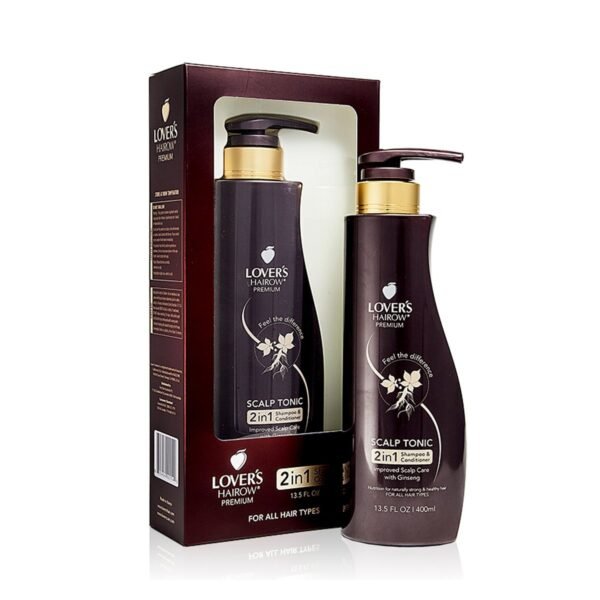
Lover’s Hairow Scalp Tonic 2-in-1 Shampoo & Conditioner — 400ml
Build natural DHT blocking activity into your daily wash routine. This sulfate-free formula combines scalp-stimulating herbal actives with gentle cleansing — no harsh stripping, no DHT-unfriendly sulphates.
- Ginseng + Biota Orientalis + Peppermint — Australian herbal DHT-blocking formula
- Cleanses scalp and stimulates follicles simultaneously
- Sulfate-free, colour-safe, cruelty-free
- Manufactured in Victoria, Australia
How to Use Natural DHT Blockers — A Daily Routine
The key to getting results from natural DHT blockers is consistent daily use over at least 4–6 months. Sporadic application will not produce the sustained reduction in DHT exposure your follicles need. Here is a simple routine that covers all bases:
Morning Routine
Wash with a DHT-blocking shampoo containing herbal actives (rosemary, biota orientalis, ginseng). Massage into the scalp for 2–3 minutes before rinsing — this dwell time is critical for active ingredient absorption. Follow with a lightweight herbal conditioner. Apply a scalp serum or treatment liquid to dry or towel-dried hair, focusing on thinning zones. Do not rinse out.
Evening Routine (2–3× per week)
Apply a rosemary-based scalp oil or dedicated DHT-blocking serum directly to the scalp. Massage in circular motions for 3–4 minutes to boost blood circulation and assist absorption. Leave overnight if possible, or for a minimum of 30 minutes before rinsing. This overnight treatment significantly increases active ingredient contact time with the follicle.
Supplement Support
Topical DHT blockers address the scalp locally. Oral supplements — saw palmetto, pumpkin seed oil, zinc, and biotin — provide systemic support that works from the inside. A dual topical + supplement approach is the most comprehensive natural DHT-blocking strategy available without a prescription.
✓ Natural DHT Blocker Pros
- No prescription required in Australia
- Safe for most women (check with GP if pregnant/breastfeeding)
- No reported sexual side effects
- Can be combined with Minoxidil
- Works well for early-to-moderate hair loss
- Addresses scalp inflammation alongside DHT
- Affordable — many options under $50 AUD
✗ Limitations to Be Aware Of
- Less potent than pharmaceutical 5-AR inhibitors
- Results take 4–6 months — patience required
- Won’t reverse follicles that are fully closed (advanced stages)
- Consistency is non-negotiable — sporadic use won’t work
- Individual response varies based on genetic sensitivity
Frequently Asked Questions
Start Blocking DHT Naturally Today
Shop Australia’s most effective herbal DHT-blocking scalp treatments — made in Victoria with clinically recognised plant actives, sulfate-free and cruelty-free.
Shop Hair Growth Products →This article was produced by the LoverHair editorial team at loverhair.com.au. It is intended for informational purposes only and does not constitute medical advice. Always consult a qualified dermatologist or GP before beginning any hair loss treatment. Some product links are affiliate links — we may earn a small commission at no extra cost to you. Individual results may vary.
