Ultimate Guide to Scalp Tonic Treatment: Best Scalp Tonic Conditioning Treatments for Repair and Revitalise Your Hair Health
Introduction to Scalp Tonic Conditioning Treatments
Scalp care is the foundation of healthy hair. While most routines focus on lengths and ends, the condition of the hair scalp — the skin that feeds every strand — determines strength, shine, and resilience. Scalp tonic conditioning treatments are lightweight, targeted formulas that work directly on the scalp to repair damage, rebalance oils and support healthier hair growth.
These tonics blend nourishing ingredients and active extracts to hydrate the skin, clear product buildup and calm irritation. Used regularly they can reduce flaking, improve scalp comfort and create a better environment for follicles to perform — which often leads to noticeable improvements in hair texture and manageability.
What to expect: within weeks most users notice reduced itchiness or less visible dandruff; longer-term, consistent use can help hair feel stronger and appear fuller. Scalp tonics suit a range of concerns — from dry, flaky scalps to oily or sensitised ones — and can be integrated into your regular routine to protect against everyday environmental stressors and styling damage.
Understanding the Importance of Scalp Health
Think of the scalp as an ecosystem: sebum, sweat, dead skin cells and styling residues can build up and block follicles. A balanced scalp helps follicles function normally, producing stronger hair strands and reducing breakage. Simple maintenance — including the right scalp tonic — keeps this ecosystem healthy.
Common scalp types: oily (excess sebum, greasiness), dry (tight, flaky skin), sensitive (redness, irritation) and combination. Identifying which describes you makes choosing an effective tonic much easier.
Practical tip: if you’re exposed to urban pollution, frequent heat styling or chlorine, look for tonics with gentle exfoliants and calming extracts — these help the scalp recover from environmental stress and support ongoing hair repair.
Key Ingredients to Look for in Scalp Tonic Treatments
When selecting a scalp tonic conditioning treatment, check the ingredient list for actives that suit your scalp type. Below are the key ingredients commonly found in effective tonics, with short notes on use and sensitivity.
- Tea tree oil (leaf oil / leaf extract): An antibacterial and antifungal extract ideal for dandruff-prone scalps; use at low concentrations (often 0.5–2%) and patch-test first as it can irritate sensitive skin.
- Salicylic acid: A gentle exfoliant that removes dead skin cells and reduces scalp build-up — especially helpful for flaky or dry scalps. Look for formulations designed for scalp use to avoid over-drying.
- Biotin (vitamin B7): Often included to support hair strength; topical biotin may improve hair quality when combined with strengthening extracts, though systemic results vary.
Other beneficial extracts and actives to seek include niacinamide (helps circulation and scalp barrier), panthenol (pro-vitamin B5 for hydration and reduced inflammation), and gentle botanical seed extracts that soothe and condition. Where possible, favour products that combine targeted actives with supporting leaf extracts and mild oils to balance cleansing with hydration.
Quick guidance: if you have a dry scalp, prioritise panthenol and hydrating extracts; for oily scalps, choose salicylic acid or a lightweight tonic with astringent leaf extracts; for sensitive skin, avoid high tea tree concentrations and opt for soothing seed extract blends.
Benefits of Using Scalp Tonic Conditioning Treatments for Hair Repair
Incorporating a targeted scalp tonic into your routine delivers nutrients and actives directly to the scalp where they are most effective. By nourishing the scalp and removing build-up, these tonics help repair damage at the root, improving hair strength, shine and overall manageability.
Regular use can reduce split ends and breakage by improving the scalp environment and supporting healthier hair growth. Many users also report improved texture and easier styling as hair becomes less prone to tangling and damage.
Scalp tonics can be selected to address specific concerns — from dryness and itchiness to excess oil — helping to rebalance sebum production and soothe the skin. When paired with complementary shampoos and conditioners, they form a simple, effective regime to protect hair from everyday environmental stressors.
Top Scalp Tonic Conditioning Treatments on the Market
Below are well-known tonics that cover a range of needs — each entry includes a short “best for” note to help you choose:
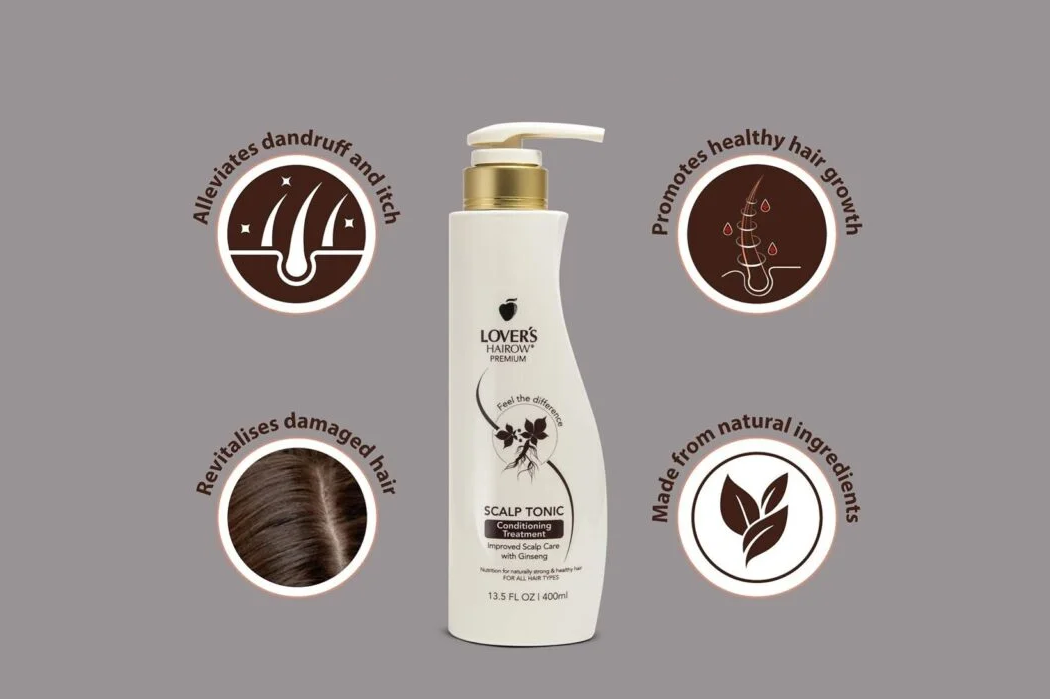
- Lover’s Hairow Premium Scalp Tonic Conditioning Treatment — best for nourishment and strengthening. Formulated with oriental herbal extracts such as ginseng and Fo‑ti, it aims to nourish the scalp and support hair from root to tip; check the product page for ingredients, regular price and usage guidance.
- Nioxin Scalp Recovery Soothing Serum — best for dry or sensitive scalps. A hydrating serum designed to calm irritation and restore comfort; suitable when you need gentle, soothing results.
- Kerastase Specifique Stimuliste — best for stimulating growth. Formulated to strengthen follicles and support hair growth; look for clinical claims on the brand page if you require evidence of results.
- Aveda Pramāsana Protective Scalp Concentrate — best for balancing sebum and cleansing. A botanical approach that helps remove build-up and maintain scalp balance, useful for those exposed to environmental pollutants.
Choosing the right product depends on your scalp type and goals — compare ingredients and price across the selection, read user reviews for real-world results, and check the product page for the current price and any “regular price” offers or discounts.
How to Choose the Right Scalp Tonic for Your Hair Type
Choosing the correct scalp tonic starts with identifying your scalp and hair needs. Use the quick self-check below to guide your selection and link your concern to the most suitable treatment type.
- Oily scalp: If your scalp feels greasy within a day or two of washing, choose a lightweight tonic with astringent leaf extracts or salicylic acid to control sebum and reduce build-up. Best pick: tonics that help balance oil without stripping.
- Dry or flaky scalp: Look for hydrating ingredients such as panthenol and soothing seed extract blends that restore moisture and reduce flaking. Best pick: hydrating, non-foaming tonics that support the skin barrier.
- Sensitive or irritated scalp: Avoid strong essential oil concentrations (e.g., high tea tree levels). Opt for gentle leaf extracts, niacinamide and calming botanicals to reduce redness and itchiness. Best pick: fragrance-free, dermatologically tested formulas.
- Thinning or slow growth: Choose tonics with growth-supporting ingredients and nutrient-rich extracts (biotin, ginseng, fo‑ti) and pair with a scalp massage routine to boost circulation. Best pick: stimulant tonics used consistently over time for visible results.
Selection tip: match the tonic to your daily environment — if you’re often in polluted or dry conditions, favour formulations with gentle exfoliants and hydrating extracts to protect the scalp. For a faster decision, return to the “Top Scalp Tonic Conditioning Treatments on the Market” section above and choose the product tagged “best for” the condition that matches yours.
Step-by-Step Guide to Applying Scalp Tonic Treatments
Correct application ensures your scalp tonic delivers maximum benefit. Follow this simple, repeatable routine and adapt timings to the product instructions on the label.
- Prepare the hair: Start with clean, towel-dried hair for most tonics so actives can reach the scalp without being blocked by oils or heavy products. Some leave‑on formulas also work on dry hair—check the product guidance.
- Section the hair: Create 4–6 sections to expose the scalp; this makes application quicker and ensures even coverage, especially for thicker hair.
- Apply the tonic: Using the applicator, dispense the tonic directly onto the scalp — move along the parting lines to target roots and problem areas. “Directly onto” the skin maximises contact with follicles.
- Massage: Gently massage in circular motions for 30–60 seconds per section to boost absorption and stimulate circulation; avoid vigorous rubbing if your scalp is irritated.
- Leave in: Allow the tonic to dry naturally or follow the product’s recommended wait time. If no guidance is provided, allow 5–10 minutes before styling. Do not rinse unless the product specifies.
Do / Don’t quick tips: Do patch-test new tonics 48 hours before full use; don’t apply to broken or severely inflamed skin; do follow manufacturer frequency — many recommend application several times a week rather than daily. Track results over time: small changes may appear in a few weeks; more noticeable hair growth or thickness can take several months.
Tips for Maximizing the Benefits of Scalp Tonic Conditioning
Small routine changes amplify results. Use these practical suggestions to get the most from your tonic.
- Consistency is key: Apply as recommended — most products advise several times a week. Regular application supports sustained hair growth and improved scalp condition.
- Pair with complementary products: Use shampoos and conditioners that support scalp health and avoid heavy styling products that cause build-up; this helps tonics penetrate more effectively.
- Maintain overall hair health: Minimise excessive heat and harsh chemical treatments; a healthier hair shaft combined with a balanced scalp produces better, longer-lasting results.
Frequency table suggestion: if unsure, start with 2–3 applications per week and observe how your scalp responds; increase to daily use only if the product and your skin tolerate it. For growth-supporting tonics, allow 8–12 weeks to assess visible improvements in hair density or thickness.
Customer Reviews and Testimonials on Effective Treatments
Real user feedback is one of the best ways to judge how a scalp tonic performs in everyday conditions. Consistent reports highlight improvements in scalp comfort and visible changes to hair condition when products are used as directed.
- Less dandruff: Users with flaky scalps often cite tonics containing tea tree oil or salicylic acid as effective at reducing visible flakes and itching.
- Noticeable growth improvements: Many customers report fuller-looking hair after several months of regular use of growth-focused products — individual results vary and depend on consistent application.
- Improved scalp comfort: Those with sensitive or dry scalps note reduced redness and irritation when switching to soothing, oil‑balanced formulas.
Tip: look for verified reviews on product pages to confirm these claims, and check whether reviewers mention timeframe and frequency — for example, many improvements are reported after 8–12 weeks of regular use. If available, consider aggregated star ratings and sample quotes for further reassurance.
Conclusion: Revitalize Your Hair Health with the Right Scalp Tonic
Choosing the right scalp tonic can meaningfully improve scalp condition and support healthier hair. By identifying your scalp type, prioritising products with suitable actives and using them consistently, you create a strong foundation for repair and ongoing growth. Match tonics with complementary leaf extracts and seed extract blends to balance cleansing with hydration and protect the skin of the scalp from environmental stressors.
Next steps: 1) identify whether your scalp is oily, dry, sensitive or combination; 2) pick a product from the selection above that lists the key ingredients you need; 3) monitor results over time — many users see improvements in comfort within weeks and clearer results in hair strength or growth over several months.
Call to Action
Ready to pick a scalp tonic? Visit the product page links in the “Top Scalp Tonic Conditioning Treatments” section to compare products, check the regular price and current price, and read verified reviews. If you prefer a guided option, use our product selector on the page to find the best match for your scalp and hair — then track results over the coming weeks and days to see the difference.
